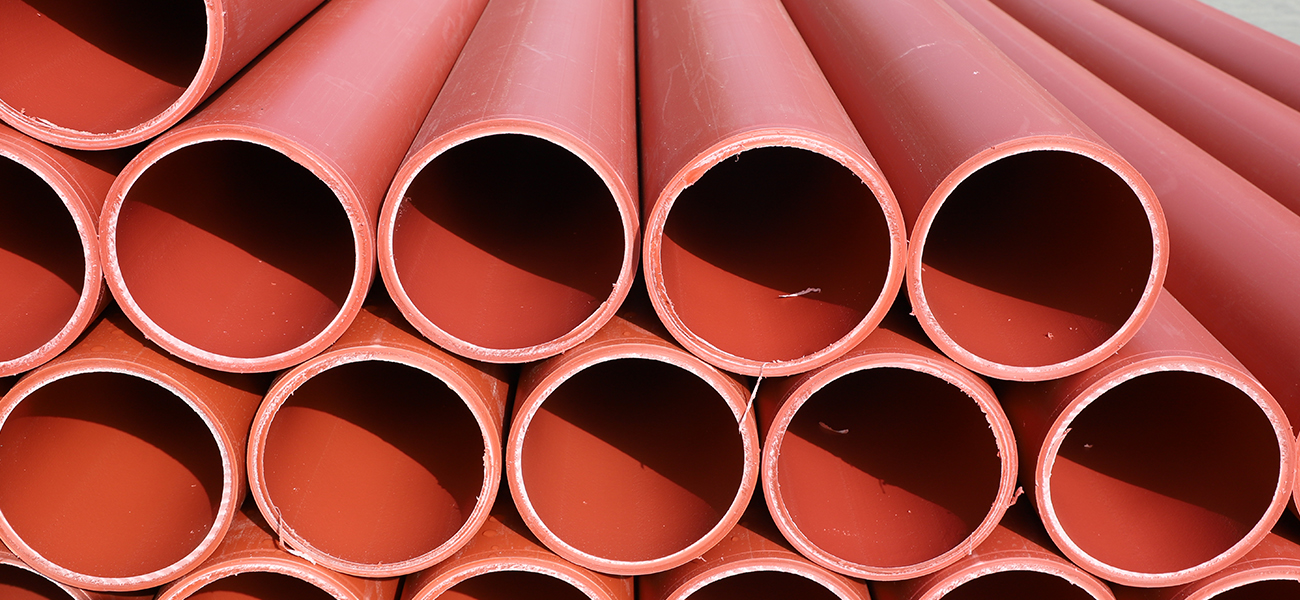
Guardian of Underground Power Arteries: PVC-C High-Voltage Cable Conduit and New Standards
As urban and rural grids are upgraded and new transport and industrial infrastructure is built, underground power arteries need dependable protection. Buried high-voltage cable conduit based on PVC-C resin is becoming an ideal replacement for traditional materials because of its strength, heat resistance and flame performance.
1. Performance that defines a new standard
PVC-C high-voltage cable protection pipe combines PVC-C resin with impact modifiers, heat stabilisers and selected additives through high-speed extrusion. The formulation gives it a broad range of advantages.
Mechanical performance: high strength and useful flexibility resist buried pressure, impact, settlement and external damage. Heat and corrosion resistance: its Vicat softening temperature is much higher than ordinary PVC-U, while acids, alkalis, salts and many chemicals do not compromise long-term performance in difficult soil.
Safety: self-extinguishing flame behaviour and excellent electrical insulation create two layers of protection, reducing fire and shock risk. Environmental durability: the material is non-polluting, resists ageing and maintains physical and electrical properties over long service.
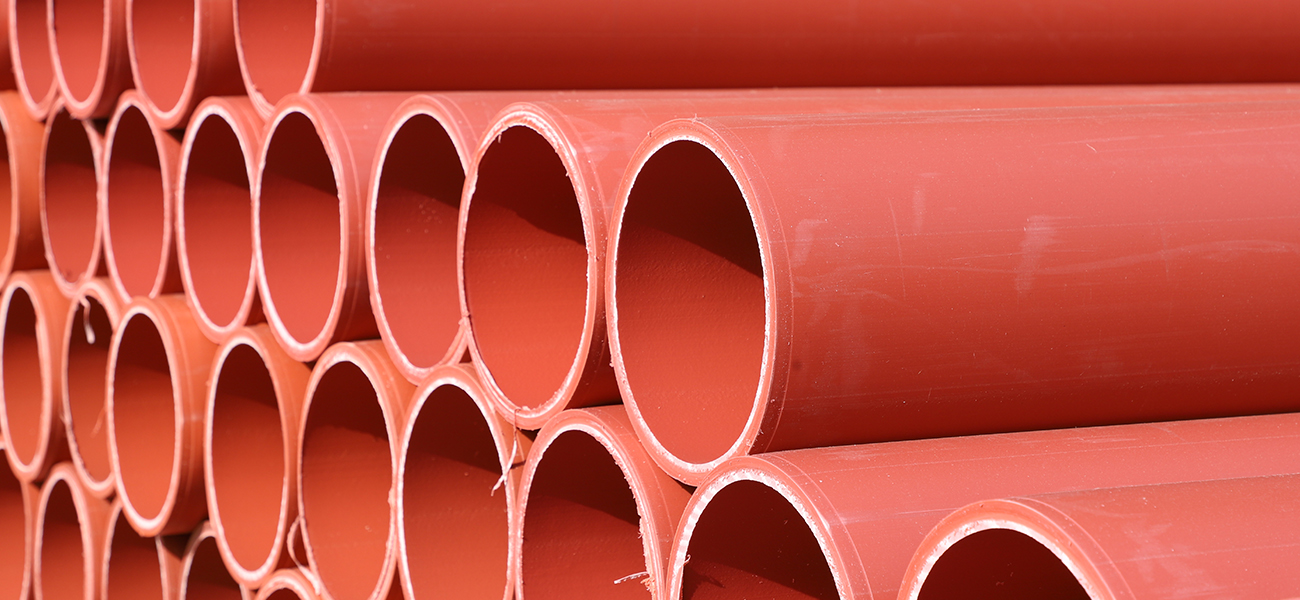
Economical construction: low weight reduces transport and handling effort, while simple, reliable joints improve installation speed, shorten schedules and reduce total cost.
2. Applications in modern power infrastructure
PVC-C outperforms traditional asbestos ducts and ordinary PVC-U conduit. It is used for urban and rural grid upgrades, highways, railways and bridges, underground systems in industrial and development parks, and power compartments in urban utility tunnels.
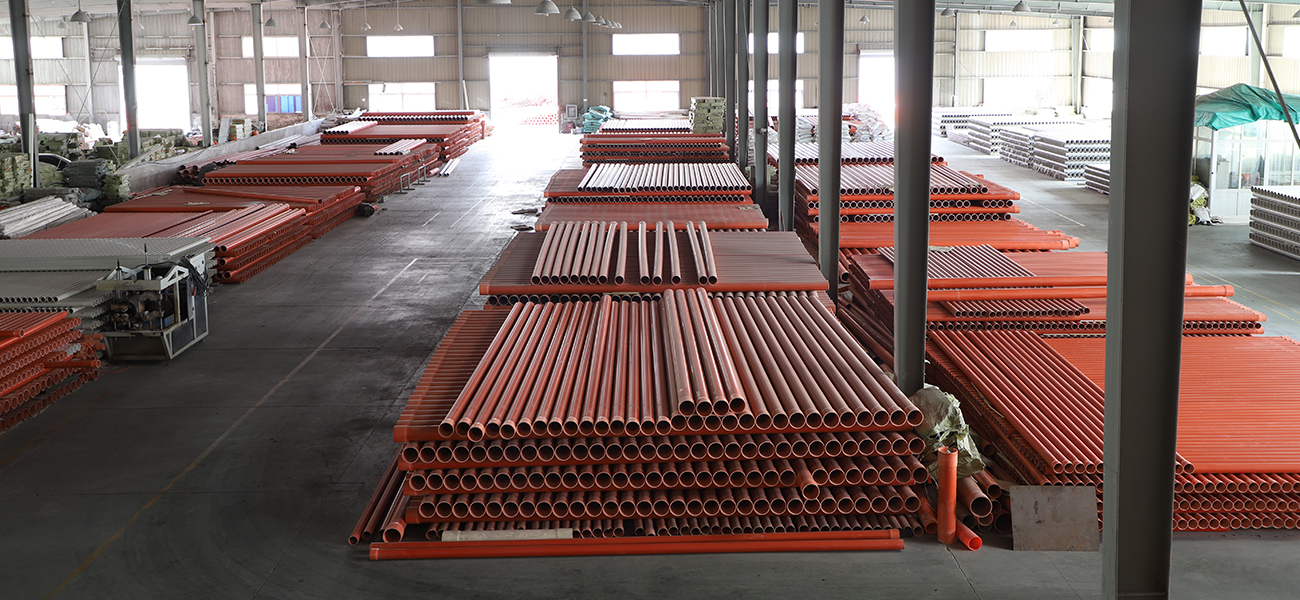
3. Standards and the outlook for new requirements
The product currently follows QB/T 2479-2005, which establishes requirements for dimensions, mechanical properties and electrical performance. New national and industry requirements associated with 2025 development are expected to place clearer and higher demands on long-term performance, environmental indicators and special applications.
Future requirements will further address environmental stress cracking, system suitability, retention of ring stiffness at long-term service temperature and stricter environmental criteria. Choosing PVC-C high-voltage conduit therefore brings safety, reliability, durability and economy to the full product life cycle.
From mature industry standards to new national direction, PVC-C continues to protect underground power routes and provide a solid foundation for China's power and infrastructure development.