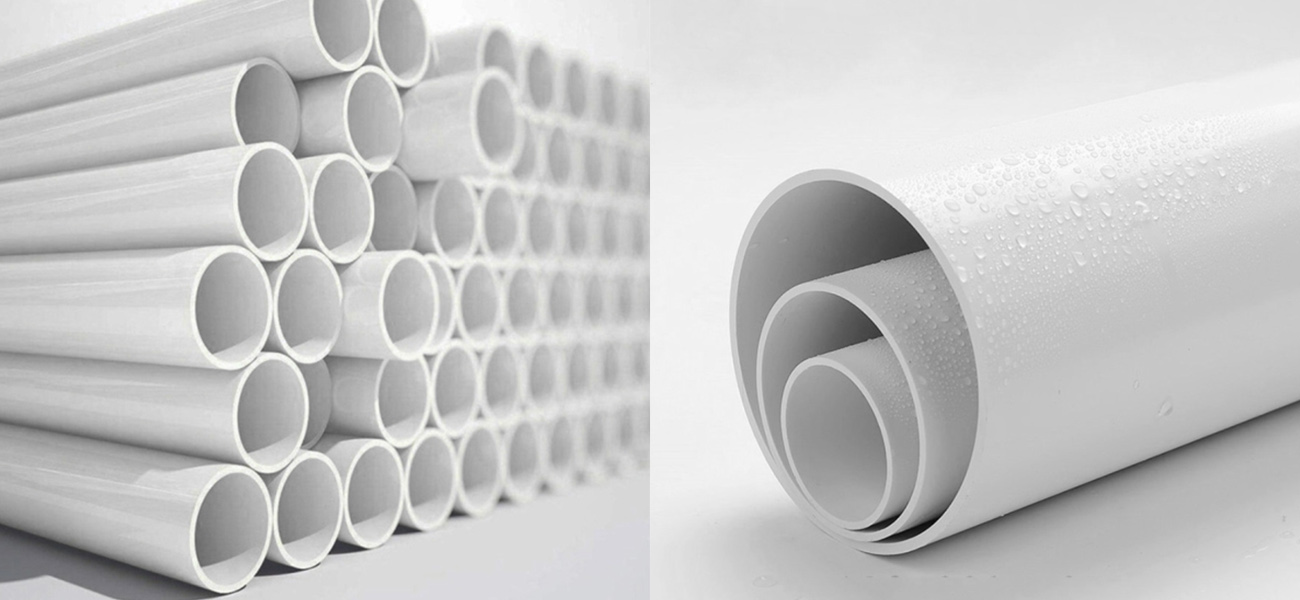
PVC Pipe Classification Guide: Types, Standards and Applications
PVC pipe is manufactured from polyvinyl chloride resin with stabilisers and lubricants. The principal product families include PVC-C power cable protection pipe, PVC-U multi-hole pipe, PVC-U communications cable protection pipe and PVC-U drainage pipe.
PVC pipe has long been widely used because it is rigid, economical, corrosion-resistant and easy to bond. Where formulations may release monomer or additives, water-conveyance applications should be limited to temperatures not exceeding 45°C. Plastic pipe is also used for drainage, wastewater treatment, chemicals, heating and cooling fluids, food processing, ultra-pure liquids, slurry, gas, compressed air and vacuum systems.
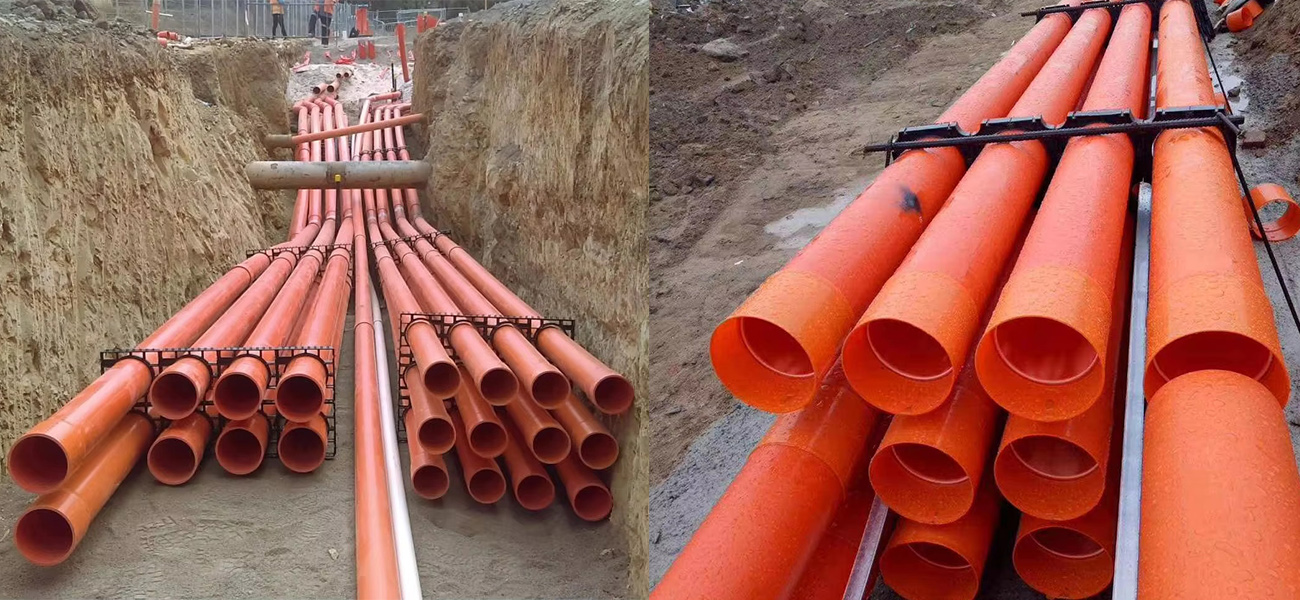
PVC-C power cable protection pipe
PVC-C resin is compounded with impact modifiers, stabilisers and other additives, then extruded at high speed into buried high-voltage cable conduit. It combines high strength and flexibility with heat, corrosion and flame resistance, electrical insulation, low weight, easy installation and resistance to ageing.
Its performance is superior to traditional asbestos cable ducts and ordinary PVC-U pipe, making it an effective replacement for conventional cable sleeves. It is used in urban and rural power projects, roads and bridges, and underground cable systems in industrial parks, in accordance with QB/T 2479-2005.
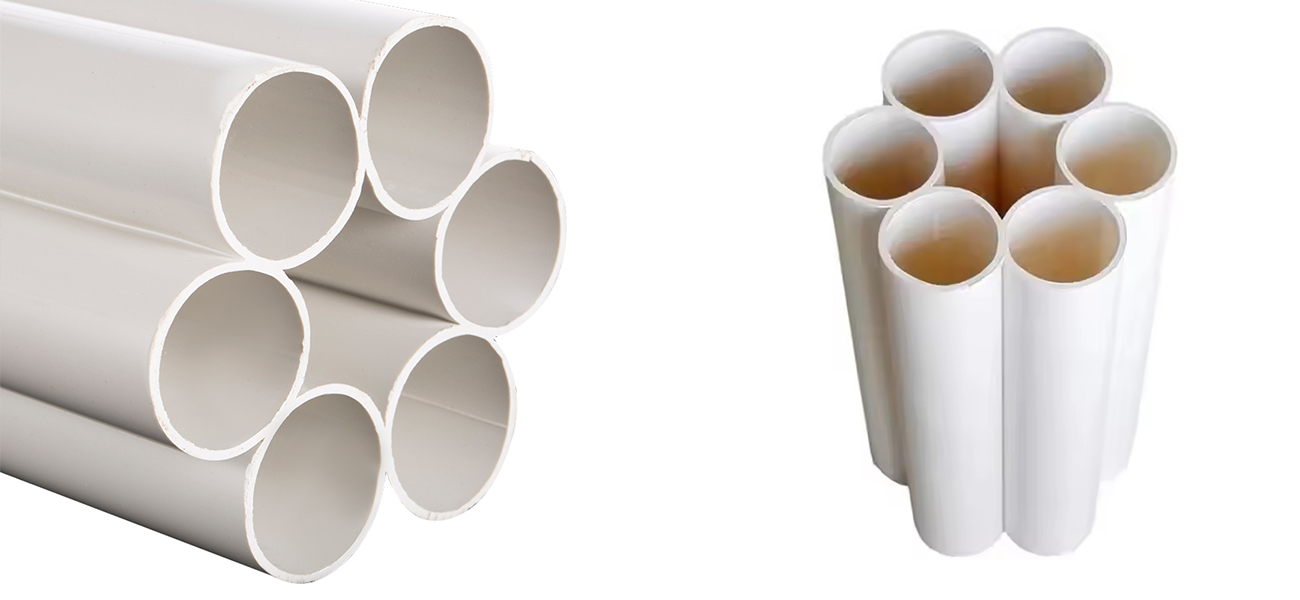
PVC-U multi-hole pipe
PVC-U multi-hole conduit is formed from rigid PVC-U with impact modifiers and stabilisers using a specialised die. Plum-blossom and grid designs may contain one, four, six or nine passages. The smooth bores accept optical cable directly, reduce installation time and provide a rational, durable structure.
It is widely used by mobile, fixed-line, broadband, broadcasting and power communications operators under YD/T 841.2-2016. Grid pipe is commonly supplied in six-metre lengths with socket connections; its integrated duct structure avoids secondary cable sleeves and provides high compressive strength.
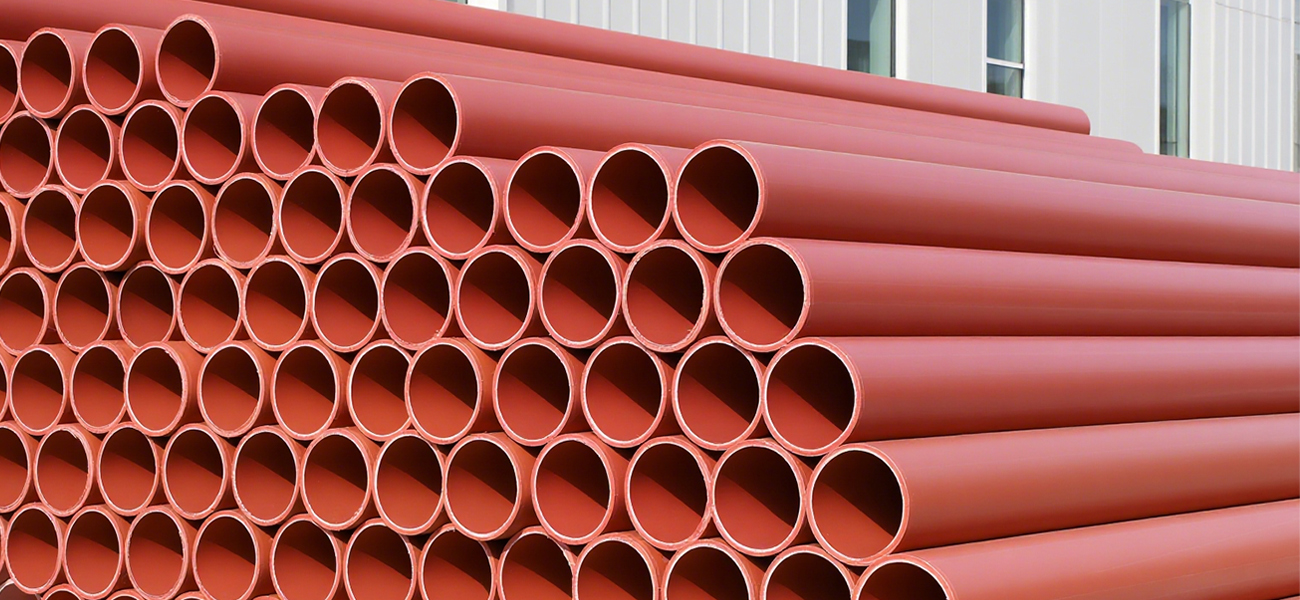
PVC-U communications cable protection pipe
PVC-U communications conduit is made through a specialised process from rigid PVC-U, impact modifiers and stabilisers. Its smooth inner wall allows optical cable to be installed directly, saving labour while providing a durable protective route for communications and power networks. It also follows YD/T 841.2-2016.
PVC-U drainage pipe
PVC-U drainage pipe is produced from hygienic-grade PVC resin with stabilisers, lubricants, fillers and colourants through extrusion and injection moulding, followed by cooling, curing, forming, inspection and packing. It offers chemical corrosion resistance, high impact strength and low hydraulic resistance, with flow capacity around 30% higher than cast-iron pipe of the same diameter.
Its expected life is at least 50 years, making it suitable for building water supply and drainage. The product follows GB/T 5836.1-2006 for unplasticised PVC-U pipe used in building drainage.