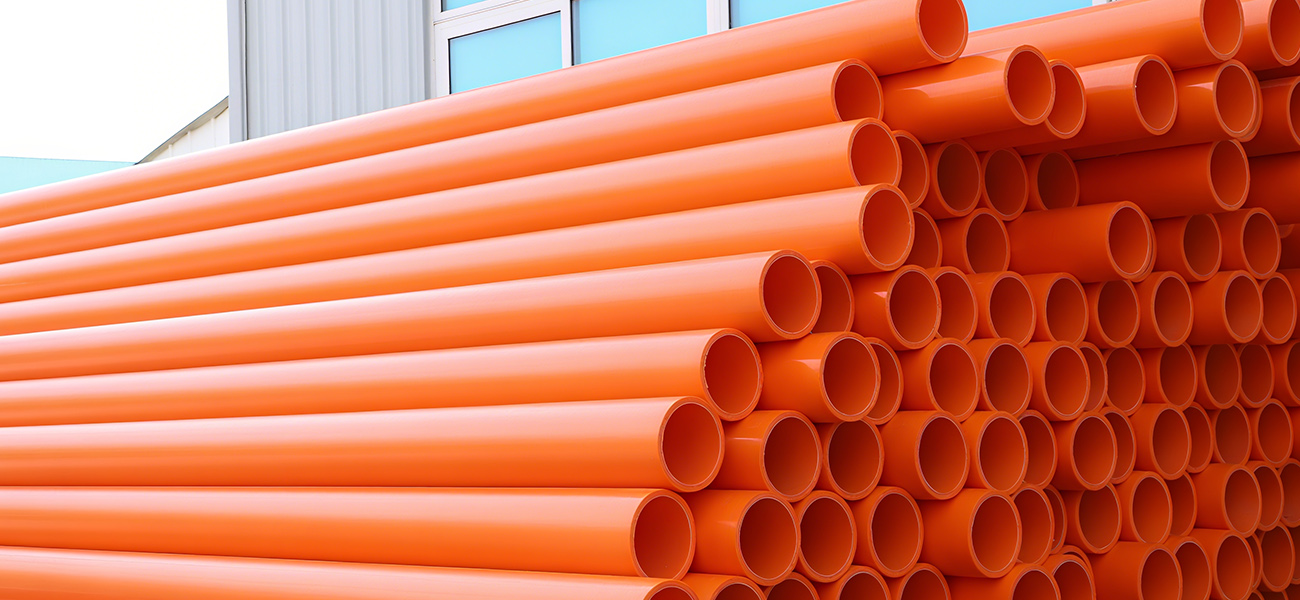
What Is MPP Power Cable Conduit? A Complete Guide
1. Product overview
MPP power cable protection pipe is produced from polypropylene with selected additives on automated production lines. Designed for underground utilities, it withstands high temperatures and external pressure, provides excellent electrical insulation, has a high heat-deflection temperature and retains impact strength at low temperatures.
The light, smooth pipe has a low friction coefficient and can be butt-welded by heat fusion. Its long-term service range is -5°C to 70°C and it is suitable for power cables above 10 kV. Applications include municipal, telecom, power, gas and heating services, trenchless horizontal directional drilling and open-cut cable projects. It follows DL/T 802.7-2010.
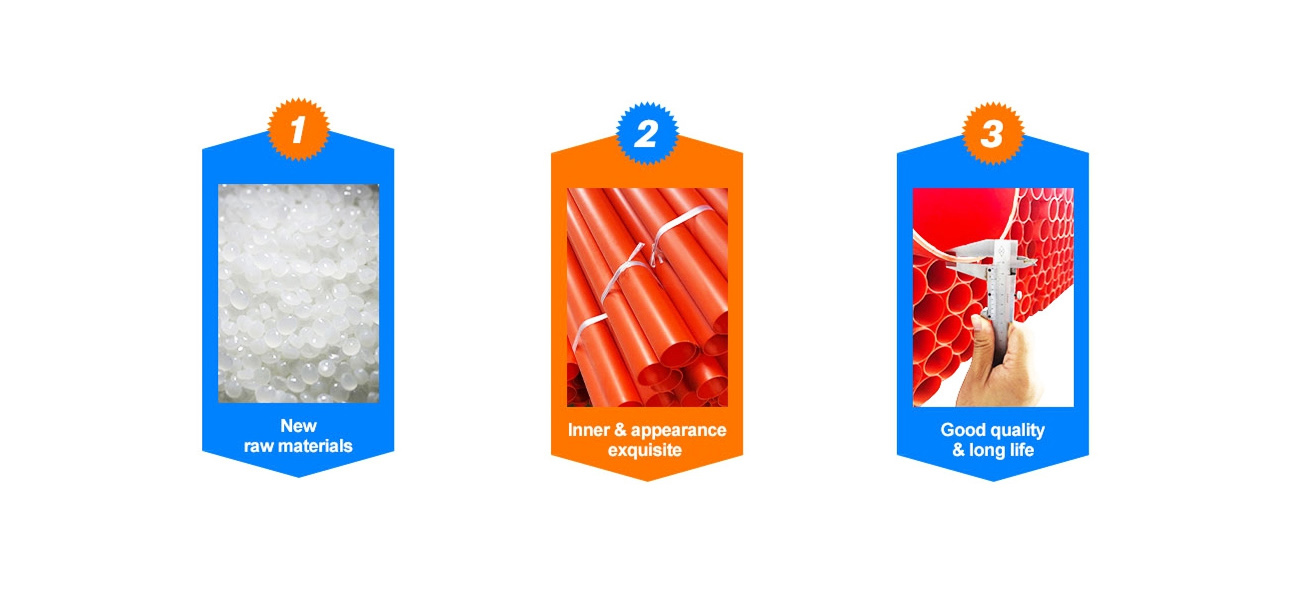
2. Performance characteristics
Strength and pressure resistance: high ring stiffness withstands deep burial, pipe jacking, soil pressure, traffic loads and strong external impacts without flattening, protecting the cable inside.
Temperature performance: the -5°C to 70°C operating range supports work near hot services and in cold regions. The pipe remains dimensionally stable at high temperature and resists brittle fracture at low temperature better than conventional PVC.
Corrosion, moisture and insulation: MPP resists acids, alkalis, salt spray and many organic solvents. Its waterproof, smooth bore and excellent insulation help prevent cable moisture and short circuits.
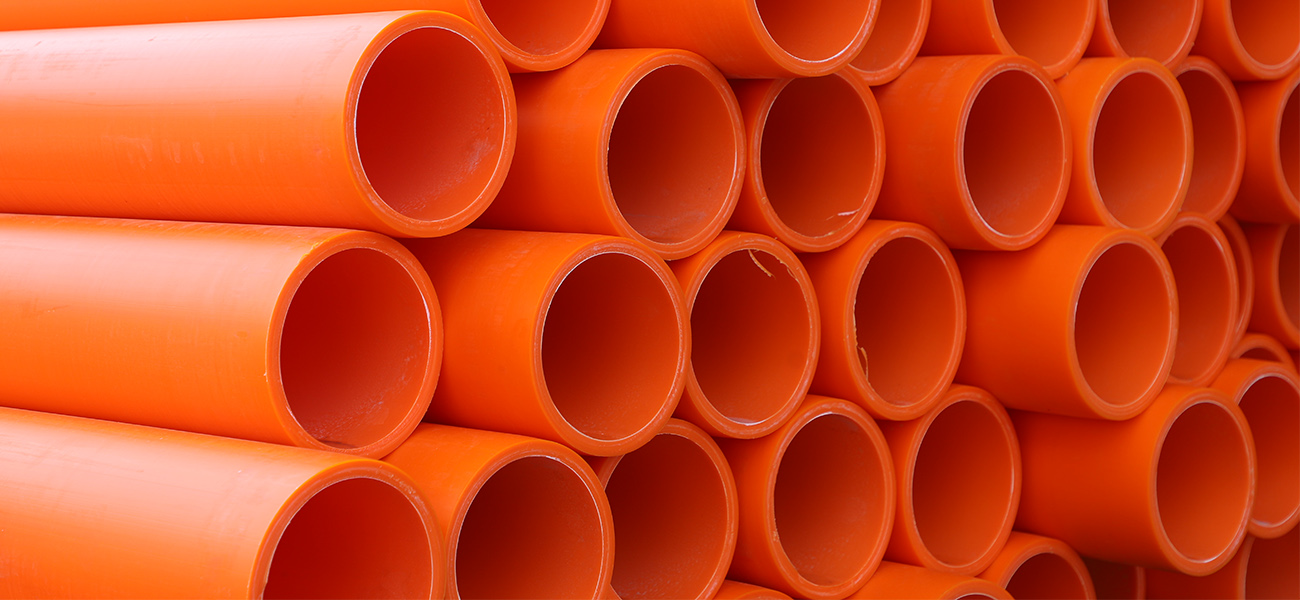
Flexibility, seismic resistance and settlement tolerance: the pipe accommodates ground movement and resists impact, reducing damage from construction and geological events. At roughly one tenth the weight of steel pipe, it is efficient to transport and install. Heat-fused joints are seamless and well sealed.
A service life of more than 50 years, freedom from rust and low maintenance reduce total cost. The material is flame-retardant and self-extinguishing, non-toxic and recyclable.
3. Applications
Power projects include urban grid upgrades, substations, high-voltage cable protection, street lighting and traffic signals. Communications uses include fibre networks, 5G base stations and data centres. Municipal uses include utility tunnels, roads, bridges and tunnels. It also suits chemical parks, coastal salt-spray zones, high-temperature areas, frozen ground and wetlands.
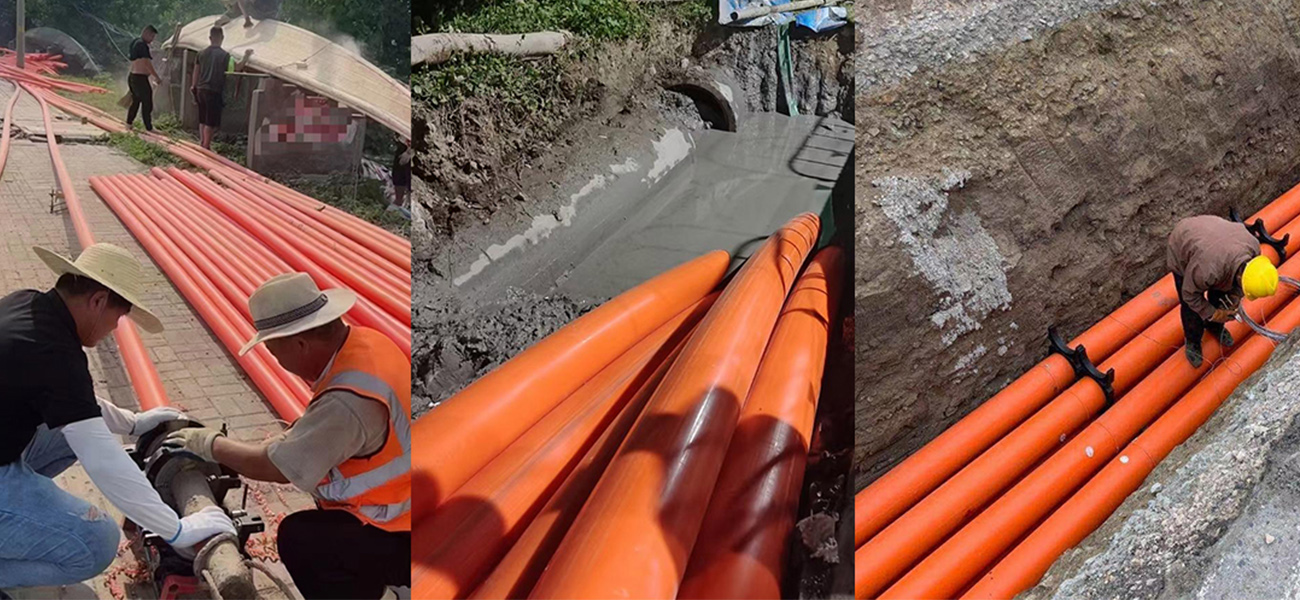
4. Installation and maintenance
Heat-fusion welding is recommended for high-voltage projects because it delivers strong, sealed joints. Socket connections may be used for low-voltage or temporary projects. Trenches should be level and free of sharp stones; backfill should be compacted in layers, and extended sun exposure should be avoided during hot-weather installation.
The system is essentially maintenance-free apart from periodic checks of joint sealing. Localised external damage can be repaired by replacing only the affected section.